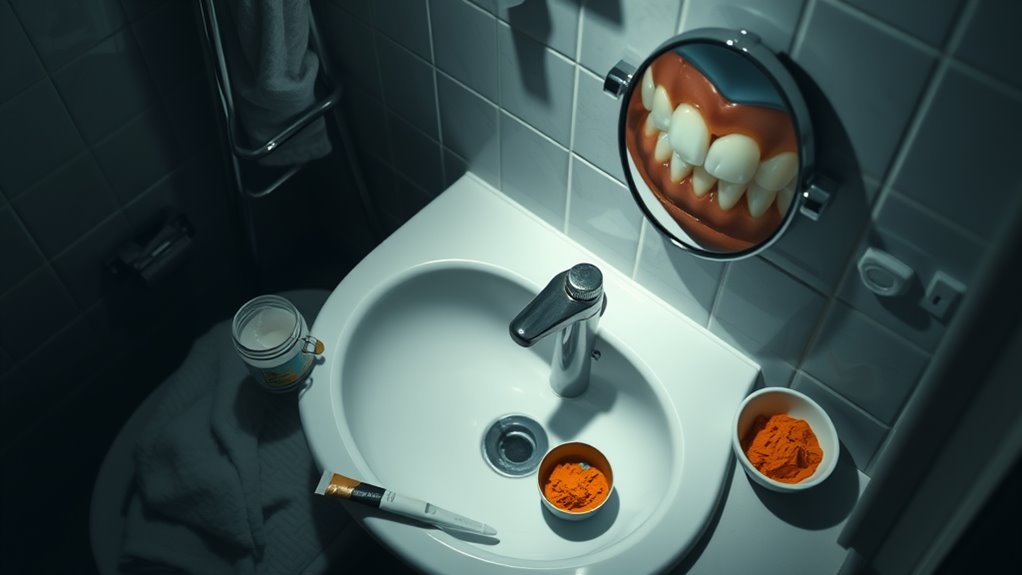
When to See a Dentist for a Toothache
A toothache can be more than just a minor inconvenience; it often hints at deeper dental issues. When pain lingers beyond a couple of days, it’s time to take a closer look. Sharp or throbbing discomfort, swelling, or heightened sensitivity can indicate serious concerns. Understanding when to seek professional help is key to maintaining your oral health and preventing complications. So, how do you know when it’s time to visit a dentist?
Understanding Toothache Symptoms
When you experience a toothache, it’s essential to recognize specific symptoms that can indicate the severity of the issue.
Common toothache warning signs include sharp or throbbing pain, swelling around the gums, and sensitivity to temperature.
You might also notice bad breath or a foul taste in your mouth. Severe pain can be a signal to seek immediate dental treatment.
Identifying these symptoms early can help you seek appropriate dental treatment promptly.
Duration of Pain
A prolonged toothache lasting more than a couple of days can signify a more serious dental problem that requires attention.
If your pain persists, don’t wait for it to worsen. Early intervention helps prevent complications and may save your tooth.
Trust your instincts—if the discomfort lingers, schedule an appointment with your dentist to explore the underlying causes and necessary treatments.
Severity of Discomfort
While the duration of pain can indicate the need for dental care, the severity of discomfort plays a significant role in determining whether you should see a dentist.
If you’re experiencing:
- Sharp, intense pain
- Pain that worsens with pressure or temperature changes
- Continuous discomfort lasting hours
- Pain affecting daily activities or sleep
It’s crucial to seek professional dental evaluation promptly. Additionally, relying on remedies like clove oil can provide temporary relief, but they should not replace professional treatment for persistent pain.
Additional Symptoms to Watch For
If you notice additional symptoms accompanying your toothache, it’s important to pay attention, as they may indicate a more serious issue.
Look for swelling, fever, or persistent bad breath.
If pain radiates to your jaw, neck, or ear, seek professional help immediately.
These symptoms can signal infection or other dental problems that require prompt treatment to prevent complications. Additionally, persistent bad breath may indicate underlying health issues that necessitate a professional evaluation.
Home Remedies vs. Professional Care
When dealing with a toothache, it’s tempting to reach for home remedies as a first line of defense, but understanding their limitations is crucial.
Here are some considerations:
- Home remedies may provide temporary relief.
- They don’t address the root cause.
- Professional care offers accurate diagnosis.
- Dentists can provide effective treatment options.
- Remedies like clove oil application and salt water rinses can help ease discomfort, but they are not replacements for professional dental care.
For serious pain, seeing a dentist is your best choice.
Importance of Regular Dental Check-ups
Regular dental check-ups are essential for maintaining your oral health and preventing issues before they escalate.
These visits allow your dentist to identify early signs of cavities, gum disease, and other concerns that can cause toothaches.
By staying proactive, you can avoid painful procedures and costly treatments down the line.
Prioritize these appointments to ensure your smile remains healthy and vibrant for years to come. Regular check-ups contribute to better overall health and lower disease risks.